




Beneficial Bacteria in Your Pond
Achieving crystal clear pond water isn't a stroke of luck; it's the result of the diligent work of beneficial bacteria. But what exactly are these bacteria, and where do they reside in your pond?
Within the pond ecosystem, a delicate cycle exists, particularly among different types of bacteria. There are two primary categories: aerobic and anaerobic bacteria, both crucial for maintaining a healthy pond environment. Aerobic bacteria thrive in the presence of oxygen, while anaerobic bacteria flourish where oxygen is absent. However, they rely on each other's presence to sustain the ecosystem.
Aerobic bacteria play a vital role in decomposing leftover organic matter into simpler forms, often completing the final steps of decomposition. As they reproduce exponentially, they deplete oxygen levels and struggle to survive once their food source diminishes. This is where anaerobic bacteria step in, primarily found at the pond bottom where oxygen is scarce. According to industry expert David Beasely, "Anaerobic bacteria decompose organic matter at a slower pace, releasing nutrients—especially phosphorus—as byproducts. These nutrients become available for plants and algae, fostering their growth and aiding in dissolved oxygen production. When oxygen levels are restored, aerobic bacteria can replenish their population, facilitating the breakdown of organic matter." This symbiotic relationship ensures oxygen restoration for plant and fish survival, alongside aerobic bacteria which filter and cleanse the water.
Beneficial bacteria inhabit both the water and the pond filter, crucial for maintaining pristine water quality. They break down organic sludge such as leaves, dead plants, fish droppings, and algae, while also reducing odors. These bacteria convert harmful ammonia into nitrites and then into nitrates, essential for pond filtration. The nitrates are absorbed by pond plants, sustaining aquatic life and promoting balance. Additionally, they mitigate problematic nutrients like nitrogen and phosphorus.
The colonies of beneficial bacteria in your pond can take up to six or seven weeks to establish, capable of managing fish waste and organic matter effectively. To support this process, maintain a neutral pH level and introduce beneficial bacteria to protect pond fish from stress or harm. Ensure optimal water flow through the pond filter's biological chamber with a suitable water pump to maximize bacteria effectiveness. Cleaning the biological chamber should be done only when necessary, replenishing lost bacteria and avoiding chlorinated water during the process.
Using treatments like TotalPond Sludge Remover and Pond Maintenance Tablets enhances beneficial bacteria and stabilizes your pond, ensuring pristine water throughout the seasons.
Featured Products

Pond Maintenance Tablets
The easiest way to keep beneficial bacteria thriving in your pond. One tablet per 200 gallons every two weeks. Drop it in and you're done.

Filters & UV
Beneficial bacteria live and work in your filter. Give them a great home, with the right UV balance, to maximize their impact on your water quality.

Sludge Remover
When organic waste builds up faster than bacteria can break it down, sludge remover steps in. Use it alongside your regular bacteria routine for a cleaner pond bottom.
Browse Our Resources
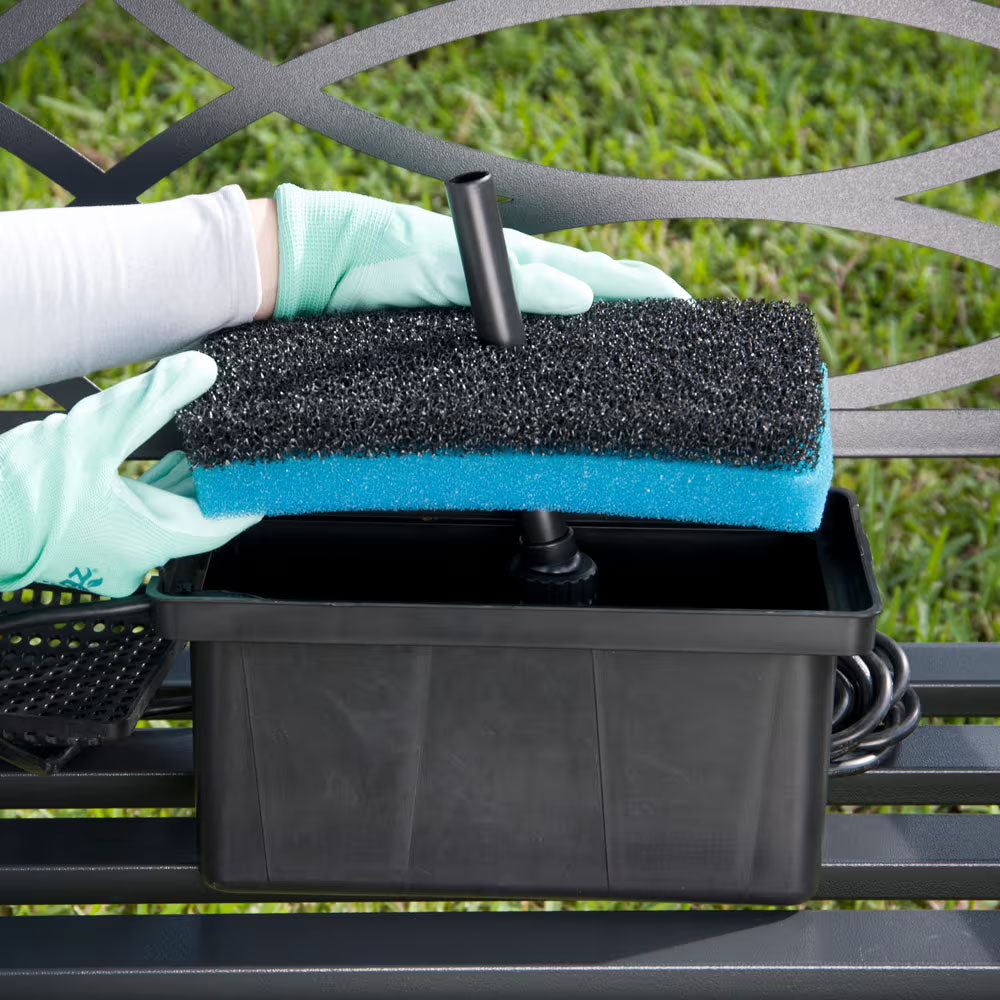
How Pond Filtration Works
Beneficial bacteria do their best work inside a healthy filter. Learn how filtration and bacteria work together to keep your water clean and your pond balanced.

Water Quality Basics
Bacteria are one piece of the water quality puzzle. Get the full picture, from filtration to treatments, so you know exactly what your pond needs to thrive.

Why Are My Pond Fish Gasping for Air?
Water quality and oxygen levels are directly tied to bacterial balance. If your fish are struggling, this is worth a read.